
-
×
 GLP-2 Tirz 30MG
1 × $109.99
GLP-2 Tirz 30MG
1 × $109.99
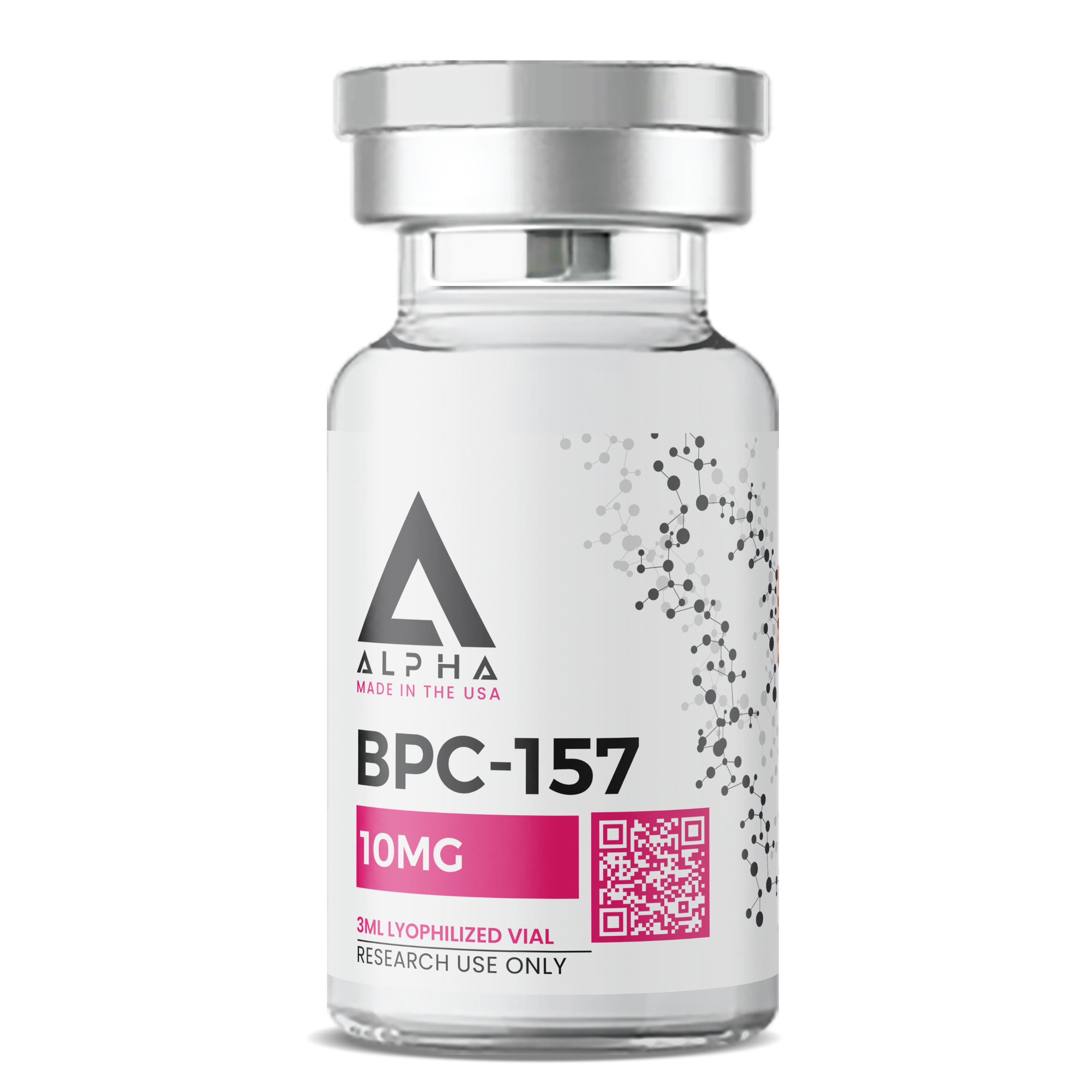
BPC-157
$54.99
BPC-157 is a synthetic research peptide studied in preclinical models for its role in tissue repair pathways, cellular recovery mechanisms, and regenerative biology research. Commonly referred to as “Body Protection Compound-157,” it is widely used in laboratory studies exploring healing processes and cellular signaling. This product is intended strictly for research purposes only and not for human or veterinary use.
What is BPC-157?
Understanding BPC-157 (Body Protection Compound-157)
BPC-157 is a laboratory-synthesized peptide fragment derived from a naturally occurring protein found in the stomach. It has gained significant attention in biomedical research for its potential role in studying tissue repair, inflammation pathways, and cellular regeneration processes.
Often referred to as “Body Protection Compound,” BPC-157 is widely explored in preclinical research settings and remains classified as a research-use-only compound in many regions worldwide.
How BPC-157 Works in Research Models
Cellular Repair and Regeneration Pathways
In experimental studies, BPC-157 has been investigated for its influence on:
- Cell migration and proliferation pathways
- Tissue remodeling and repair signaling
- Angiogenesis (formation of new blood vessels)
- Growth factor expression in damaged tissue models
These mechanisms make it a popular subject in regenerative biology research.
Inflammation Response Modulation
Research also explores how BPC-157 may interact with inflammatory signaling pathways. Scientists study its potential role in:
- Cytokine regulation
- Oxidative stress response models
- Tissue injury recovery simulations
- Gastrointestinal system protection pathways
Scientific Research Applications of BPC-157
BPC-157 is primarily used in laboratory and preclinical environments to investigate:
- Muscle and tendon regeneration models
- Ligament and connective tissue repair studies
- Gastrointestinal tract healing pathways
- Wound healing and vascular research models
- Cellular stress response mechanisms
These studies contribute to a broader understanding of how the body responds to injury at the molecular level.
Why BPC-157 is Widely Studied
Regenerative Biology Interest
BPC-157 has become a highly discussed compound in regenerative science due to its potential involvement in multiple biological systems simultaneously, including vascular, muscular, and digestive pathways.
Multi-System Research Potential
Unlike single-pathway compounds, BPC-157 is often studied for its cross-system biological activity, making it relevant in:
- Orthopedic research
- Gastrointestinal studies
- Sports medicine research models
- Cellular healing experiments
Global Research Interest and Availability
Interest in BPC-157 research spans across major scientific and biotechnology regions, including:
United States 🇺🇸, Canada 🇨🇦, United Kingdom 🇬🇧, Germany 🇩🇪, France 🇫🇷, Switzerland 🇨🇭, Australia 🇦🇺, United Arab Emirates 🇦🇪, Saudi Arabia 🇸🇦, and China 🇨🇳.
However, regulatory status varies significantly, and in many jurisdictions BPC-157 is restricted strictly to research environments.
Safety, Compliance, and Intended Use
This product is:
- Intended strictly for laboratory research use only (RUO)
- Not approved for human consumption or medical treatment
- Not intended for veterinary use
- Restricted to qualified research professionals
Proper handling procedures and compliance with local regulations are required at all times.
Why Researchers Study BPC-157
BPC-157 continues to attract scientific interest due to its involvement in:
- Tissue regeneration signaling pathways
- Angiogenesis and vascular repair research
- Inflammatory response modulation studies
- Cellular recovery and repair mechanisms
Its broad biological relevance makes it a valuable compound in experimental research settings.
Be the first to review “BPC-157”
Related products


Reviews
There are no reviews yet.