
 SS-31
SS-31  GHK-Cu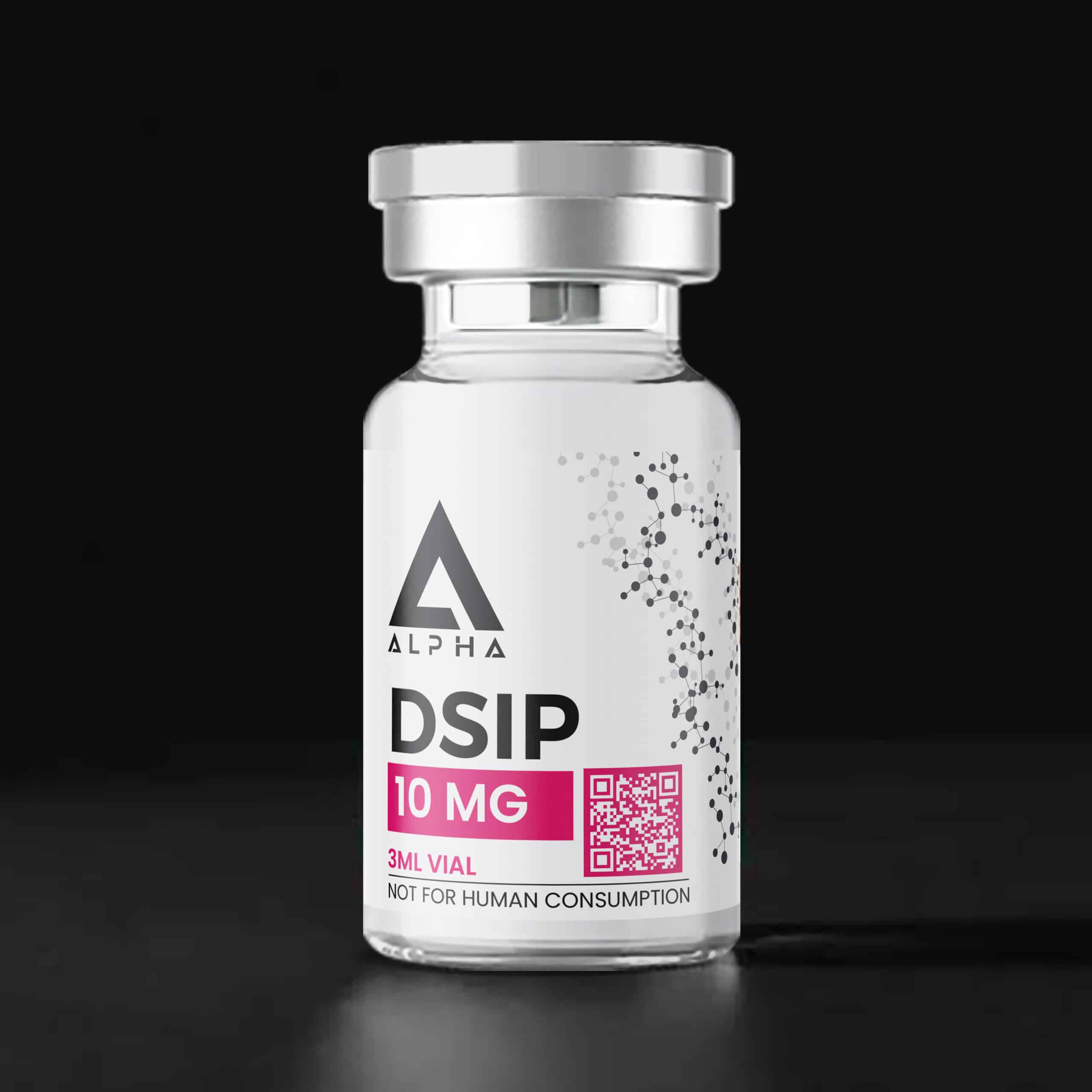
DSIP

$49.99
DSIP (Delta Sleep-Inducing Peptide) is a naturally occurring neuropeptide studied in research environments for its role in sleep regulation pathways, circadian rhythm modulation, and neuroendocrine system signaling. It is widely explored in neuroscience and sleep biology research models. This product is intended strictly for laboratory research use only and is not approved for human or veterinary use.
What is DSIP (Delta Sleep-Inducing Peptide)?
Overview of DSIP Research Peptide
DSIP (Delta Sleep-Inducing Peptide) is a naturally occurring neuropeptide first identified in studies of sleep regulation and stress physiology. In research settings, it is widely studied for its potential role in sleep cycle regulation, neuroendocrine signaling, and circadian rhythm balance.
DSIP is strictly classified as a research-use-only compound and is not approved for medical, therapeutic, or clinical use in humans or animals in many regions.
How DSIP Works in Research Models
Sleep Regulation and Circadian Rhythm
DSIP is studied for its involvement in sleep architecture and circadian rhythm control systems, including:
- Sleep onset and sleep cycle regulation
- REM and non-REM sleep pattern studies
- Circadian rhythm synchronization models
- Neurochemical sleep signaling pathways
Neuroendocrine System Interaction
In experimental biology, DSIP is explored for its role in neuroendocrine regulation, including:
- Hypothalamic signaling pathways
- Stress-response modulation systems
- Hormonal feedback regulation
- Cortisol and stress hormone interaction models
Scientific Research Applications of DSIP
DSIP is widely used in laboratory neuroscience and sleep research for:
- Sleep cycle and circadian rhythm studies
- Stress adaptation and recovery research models
- Neuroendocrine signaling pathway analysis
- Neurotransmitter regulation research
- Fatigue and recovery mechanism studies
These applications are strictly experimental and contribute to understanding sleep biology and neurological regulation.
Why DSIP is Scientifically Important
Sleep Biology Research
DSIP is widely studied due to its potential involvement in sleep regulation mechanisms and its relationship to natural sleep cycle processes.
Stress and Recovery Pathways
Researchers use DSIP to explore how the body regulates stress responses and recovery states, including:
- Hormonal balance under stress
- Sleep-dependent recovery mechanisms
- Neurochemical adaptation processes
- Circadian disruption modeling
Global Research Interest
Interest in sleep-regulating neuropeptides like DSIP spans major scientific regions, including:
United States 🇺🇸, Canada 🇨🇦, United Kingdom 🇬🇧, Germany 🇩🇪, France 🇫🇷, Switzerland 🇨🇭, Australia 🇦🇺, United Arab Emirates 🇦🇪, Saudi Arabia 🇸🇦, and China 🇨🇳.
Regulatory classification varies, and DSIP is typically restricted to controlled laboratory research environments.
Safety, Compliance, and Intended Use
This product is:
- Intended strictly for laboratory research use only (RUO)
- Not approved for human consumption or medical treatment
- Not intended for veterinary use
- Restricted to qualified research professionals
Proper handling and compliance with all local regulations is required at all times.
Why DSIP is Important in Sleep Research
DSIP is widely studied due to its relevance in:
- Sleep cycle regulation mechanisms
- Circadian rhythm research models
- Neuroendocrine signaling pathways
- Stress-response and recovery studies
Its role in sleep physiology makes it a valuable compound in neuroscience research.
Be the first to review “DSIP”
Related products


Reviews
There are no reviews yet.