
-
×
 HCG
1 × $54.99
HCG
1 × $54.99 -
×
 Injectable YK-11
1 × $84.99
Injectable YK-11
1 × $84.99 -
×
 Semax
1 × $44.99
Semax
1 × $44.99 -
×
 L-Glutathione
1 × $89.99
L-Glutathione
1 × $89.99 -
×
 Sermorelin Acetate
1 × $54.99
Sermorelin Acetate
1 × $54.99
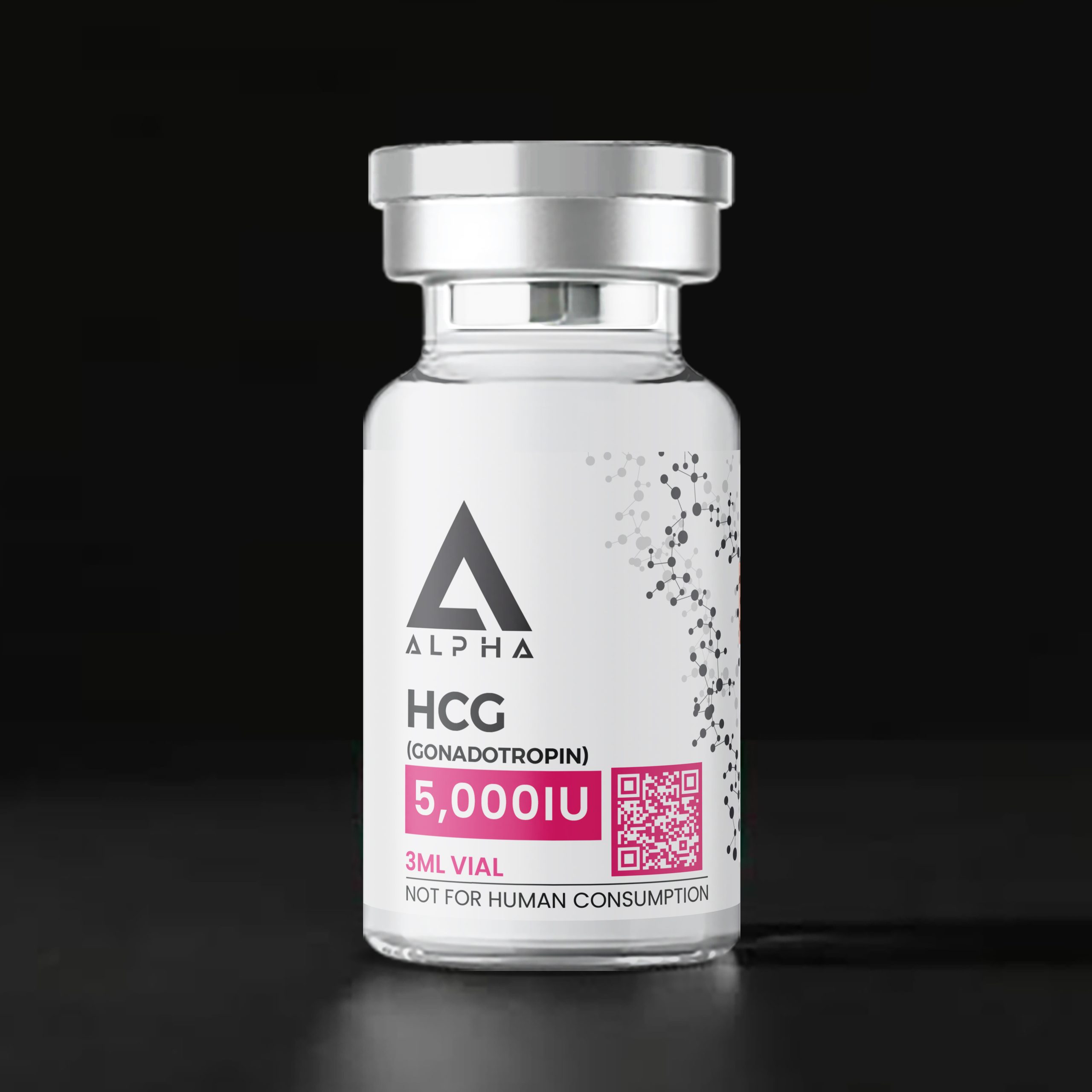
HCG


$54.99
Human Chorionic Gonadotropin (HCG) is a naturally occurring hormone used in clinical and research settings to study reproductive function, endocrine signaling pathways, and hormonal regulation mechanisms. It plays a key role in luteinizing hormone (LH)-like activity and is widely referenced in fertility and hormone biology research. This product is intended strictly for licensed or laboratory use where permitted and is not universally approved for unsupervised use.
What is HCG (Human Chorionic Gonadotropin)?
Overview of HCG Hormone
Human Chorionic Gonadotropin (HCG) is a naturally occurring glycoprotein hormone produced during pregnancy. In medical and research contexts, it is widely studied for its similarity to luteinizing hormone (LH), which plays a critical role in regulating reproductive and endocrine function.
HCG is commonly used in controlled clinical environments and laboratory research to better understand hormone signaling pathways and reproductive biology.
How HCG Works in the Body
LH-Mimicking Activity
HCG binds to luteinizing hormone receptors (LH receptors), which are involved in regulating:
- Testosterone production pathways
- Ovulation signaling in females
- Gonadal hormone regulation
- Reproductive axis feedback mechanisms
Endocrine System Regulation
In research and clinical contexts, HCG is studied for its effects on the hypothalamic-pituitary-gonadal (HPG) axis, including:
- Hormonal feedback loop regulation
- Testosterone and estrogen balance pathways
- Gonadal stimulation mechanisms
- Endocrine signaling response modeling
Scientific and Clinical Research Applications
HCG is widely studied in both clinical medicine and biomedical research for:
- Fertility treatment protocols (under medical supervision)
- Hypogonadism research models
- Reproductive hormone signaling studies
- Endocrine axis regulation research
- Gonadal function and steroidogenesis studies
These applications are highly regulated and must be conducted under appropriate medical or laboratory oversight.
Why HCG is Widely Used in Hormone Research
Reproductive Biology Importance
HCG is essential in studying reproductive physiology because it closely mimics natural LH activity, making it a key tool in fertility and endocrine research models.
Hormonal Pathway Modeling
Researchers use HCG to study how hormonal signals interact across the reproductive axis, including:
- Pituitary gland signaling
- Gonadal response pathways
- Steroid hormone production cycles
Global Medical and Research Interest
Interest in HCG spans major healthcare and research regions, including:
United States 🇺🇸, Canada 🇨🇦, United Kingdom 🇬🇧, Germany 🇩🇪, France 🇫🇷, Switzerland 🇨🇭, Australia 🇦🇺, United Arab Emirates 🇦🇪, Saudi Arabia 🇸🇦, and China 🇨🇳.
Regulatory classification varies significantly, and in many regions HCG is restricted to prescription or licensed medical use.
Safety, Compliance, and Intended Use
This product is:
- Intended for licensed medical or laboratory use only where permitted
- Not intended for unsupervised personal use
- Subject to strict regulatory controls in many countries
- Not a general wellness supplement
Proper medical supervision and compliance with local regulations are required at all times.
Why HCG is Important in Endocrine Science
HCG is widely studied due to its relevance in:
- Fertility and reproductive hormone regulation
- Hypothalamic-pituitary-gonadal axis research
- Testosterone and estrogen signaling pathways
- Gonadal stimulation and endocrine feedback models
Its LH-like activity makes it a critical compound in reproductive endocrinology research.
Be the first to review “HCG”
Related products


Reviews
There are no reviews yet.