
-
×
 NAD+ / MOTS-C / 5-Amino-1MQ
2 × $114.99
NAD+ / MOTS-C / 5-Amino-1MQ
2 × $114.99 -
×
 Amino Tadalafil
1 × $79.99
Amino Tadalafil
1 × $79.99 -
×
 AHK-Cu
1 × $44.99
AHK-Cu
1 × $44.99 -
×
 IGF1-LR3
1 × $64.99
IGF1-LR3
1 × $64.99 -
×
 HGH FRAG 176-191
1 × $49.99
HGH FRAG 176-191
1 × $49.99

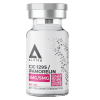
Wolverine (BPC-157, TB-500)

$89.99
The Wolverine Peptide Stack combines two widely studied research peptides—BPC-157 and TB-500—into a synergistic research formulation explored for tissue regeneration pathways, recovery mechanisms, and cellular repair studies. This blend is strictly intended for laboratory and scientific research purposes only and is not approved for human or veterinary use in many regions.
Wolverine Peptide Stack (BPC-157 & TB-500)
What is the Wolverine Peptide Stack?
The Wolverine Peptide Stack is a research-focused combination of two extensively studied peptides: BPC-157 and TB-500. Named for its association with regenerative research themes, this stack is commonly discussed in laboratory and experimental settings exploring tissue repair, cellular signaling, and recovery mechanisms.
This product is classified as a research-use-only (RUO) peptide blend, meaning it is intended strictly for in-vitro, laboratory, or scientific study purposes and not for human consumption.
Key Components of the Stack
BPC-157 – Body Protection Compound
BPC-157 is a synthetic peptide fragment derived from a naturally occurring protein sequence studied in preclinical research models. It has been widely investigated for its potential role in:
- Cellular repair signaling pathways
- Gastrointestinal system research models
- Tendon and ligament study frameworks
- Angiogenesis-related experimental studies
TB-500 – Thymosin Beta-4 Fragment
TB-500 is a synthetic version of a naturally occurring actin-regulating protein fragment. In research contexts, TB-500 is commonly studied for its role in:
- Cell migration and tissue remodeling pathways
- Muscle and connective tissue research models
- Inflammation response signaling studies
- Recovery mechanism exploration in laboratory settings
Why Researchers Study the Wolverine Stack
Synergistic Research Interest
The combination of BPC-157 and TB-500 is often explored in tandem due to their complementary biological pathways. Researchers examine how these peptides may interact in controlled environments related to:
- Tissue regeneration signaling networks
- Cellular repair and recovery mechanisms
- Angiogenesis and blood vessel formation studies
- Structural protein organization in tissues
Preclinical Focus
It is important to emphasize that current knowledge of these peptides is largely based on preclinical and experimental research models, not large-scale human clinical trials.
Global Research Interest
Interest in peptide research products like the Wolverine Stack spans multiple scientific and biotechnology markets, including:
United States 🇺🇸, Canada 🇨🇦, United Kingdom 🇬🇧, Germany 🇩🇪, France 🇫🇷, Switzerland 🇨🇭, Australia 🇦🇺, United Arab Emirates 🇦🇪, Saudi Arabia 🇸🇦, and China 🇨🇳.
However, regulatory classification varies significantly by country, and many jurisdictions restrict these compounds to laboratory research environments only.
Important Safety and Compliance Information
The Wolverine Peptide Stack is:
- Not approved for human consumption
- Not intended for therapeutic or diagnostic use
- Restricted to laboratory research applications only
Proper handling requires trained professionals in controlled environments. Users must comply with all local laws and institutional guidelines governing research chemicals.
Scientific Research Applications
In controlled laboratory environments, researchers may explore:
- Cell signaling pathways involved in tissue repair
- Protein expression and structural regeneration models
- Experimental wound-healing mechanisms in vitro
- Peptide interaction mapping in biological systems
These studies contribute to broader understanding in fields such as molecular biology, biochemistry, and regenerative science.
Quality, Handling, and Research Standards
High-quality research peptides are typically evaluated based on:
- Purity testing standards (HPLC/MS verification)
- Batch consistency
- Stability under storage conditions
- Laboratory-grade manufacturing compliance
Researchers are advised to follow strict laboratory protocols when handling peptide compounds.
Be the first to review “Wolverine (BPC-157, TB-500)”
Related products


Reviews
There are no reviews yet.